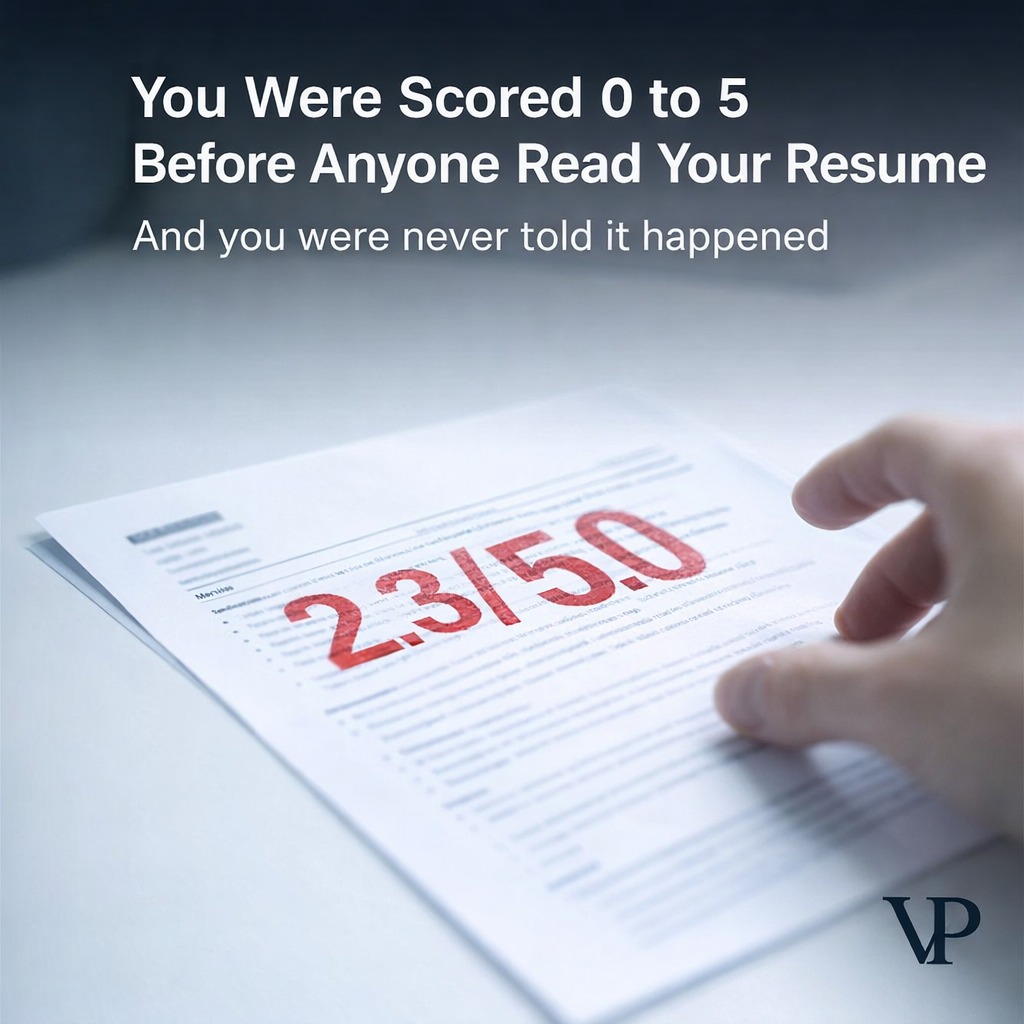
Secret satisfying scores are deciding who gets hired — before a human ever looks at the resume.
The Eightfold AI class-action lawsuit filed in January 2026 exposed something uncomfortable about enterprise hiring tools.
Candidates were being rated on a 0-to-5 scale using data they never consented to share. Professional profiles, behavioral signals, even location data — all fed into an opaque algorithm that filtered people out silently.
No disclosure. No way to challenge the result. No human review.
The legal argument? That this kind of scoring system functions as a consumer reporting agency under the Fair Credit Reporting Act — meaning candidates have a legal right to see their data, understand how they were evaluated, and dispute errors.
This is bigger than one company. It signals a fundamental shift in how AI hiring tools will be built and regulated going forward.
Our research breaks down what went wrong architecturally:
→ Single-pass "mega-prompt" systems can't prove why a decision was made
→ Opaque scoring models create legal exposure that no vendor contract can transfer away
→ New 2026 state laws in Illinois, California, Colorado, and Texas now require transparency, bias audits, and candidate notification
The alternative? Multi-agent architectures where every step is logged, every data source is verified, and explainability is built into the system — not bolted on after the fact.
Transparent AI hiring isn't optional anymore. It's the legal minimum.
Save this if your org uses any automated screening tools 🔖
Drop a question below — what's the biggest gap you see in how companies use AI for hiring decisions?
#AIHiringCompliance #EnterpriseAI #ExplainableAI #HRTechRegulation #ResponsibleAI